
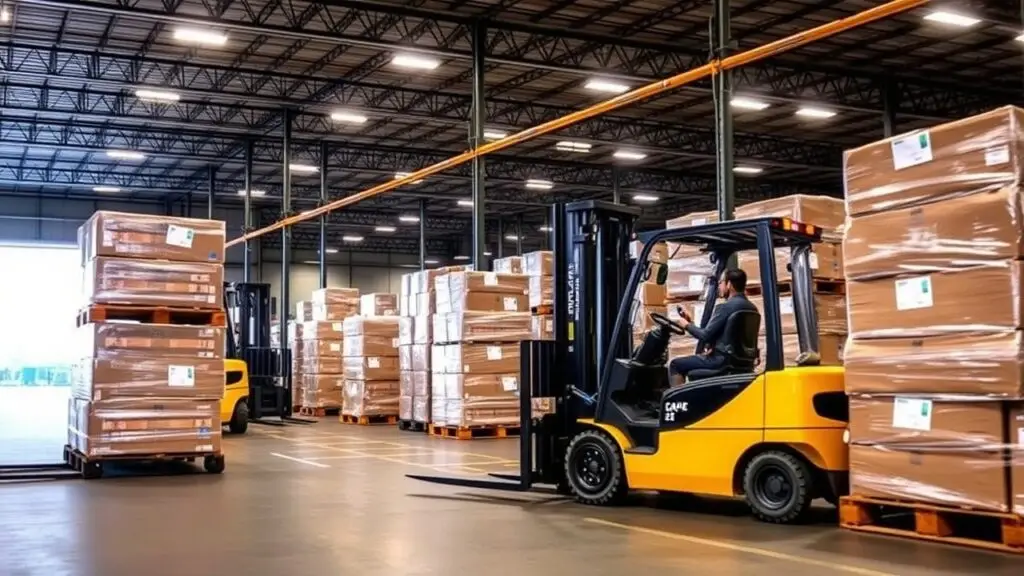
At LogNRG, we’ve completed over 500 projects in the last two decades, and a common theme we hear from new clients is a sense of being overwhelmed. They describe their warehouses as chaotic, with rising costs, constant errors, and a feeling that they can’t scale their business. Many companies only consider automation when it’s already late, when losses from operational issues can reach 30-40% or more. The right Warehouse Management System (WMS) is the tool that transforms your warehouse from a source of problems into a strategic asset. Let’s explore how to choose the right one for your business.
Introduction to Warehouse Management Systems
Definition of WMS
A Warehouse Management System (WMS) is a comprehensive software solution designed to manage and automate all warehouse operations. It provides complete control over inventory, product movement, order management, and shipping. You can think of a WMS as the central nervous system of your warehouse; it doesn’t just track what you have, it actively directs staff on what to do and how to do it efficiently. The core principle of a WMS is its work with an addressed space, where every storage cell has specific properties that allow the system to make decisions about how to use it.
Importance of Warehouse Management
In today’s business landscape, information technology is an essential part of success, and logistics is no exception. A WMS is a critical tool that enables companies to optimize their logistics, increase efficiency, and scale their business. Without it, you are often left with a cumbersome paper trail, no objective data for decision-making, and a heavy reliance on the knowledge of key employees, which creates significant business risks.
The main difference between a WMS and a basic inventory accounting system (often found in an ERP) is the shift from tracking to managing. An accounting system might tell you what inventory you have, but a WMS tells your staff what to do with it step-by-step, minimizing human error by replacing expert judgment with digital algorithms. This is a mandatory component of any true digital transformation.
Types of Warehouse Management Systems

The market offers hundreds of WMS solutions, and understanding their differences is key to making the right choice.
Customizable vs. Off-the-Shelf WMS Software
Years ago, the market was dominated by “boxed” (off-the-shelf) systems with fixed, “rail-based” functionality. These are ready to implement quickly for simple, standard processes but offer limited flexibility for future growth. A major risk with these systems is that when your business evolves, you often have to replace the system entirely, which means starting a new implementation from scratch.
Today, the industry has shifted decisively toward adaptable WMS solutions. These systems, like our own LEAD WMS, are built on a core module that automates essential warehouse processes, with the ability to add specialized modules and define custom rules without programming. This approach is effective for small, medium, and large enterprises with complex business processes. It provides the flexibility to grow and evolve with your business, which is why approximately 85% of projects today involve some level of customization.
Industry-Specific WMS Solutions
A one-size-fits-all approach rarely works, as different industries face unique logistical challenges. A pharmaceutical warehouse needs strict control over expiration dates and batches, while an automotive parts distributor deals with a vast and complex range of SKUs. At LogNRG, our solutions have been implemented across a wide variety of sectors, including:
- Retail and Distribution
- Manufacturing
- 3PL and Fulfillment
- Automotive Parts
- Pharmaceuticals
A professional WMS must be adaptable enough to handle the specific requirements of each industry, from managing hazardous materials to complying with complex regulations.
Core Features of a Warehouse Management System
Inventory Management
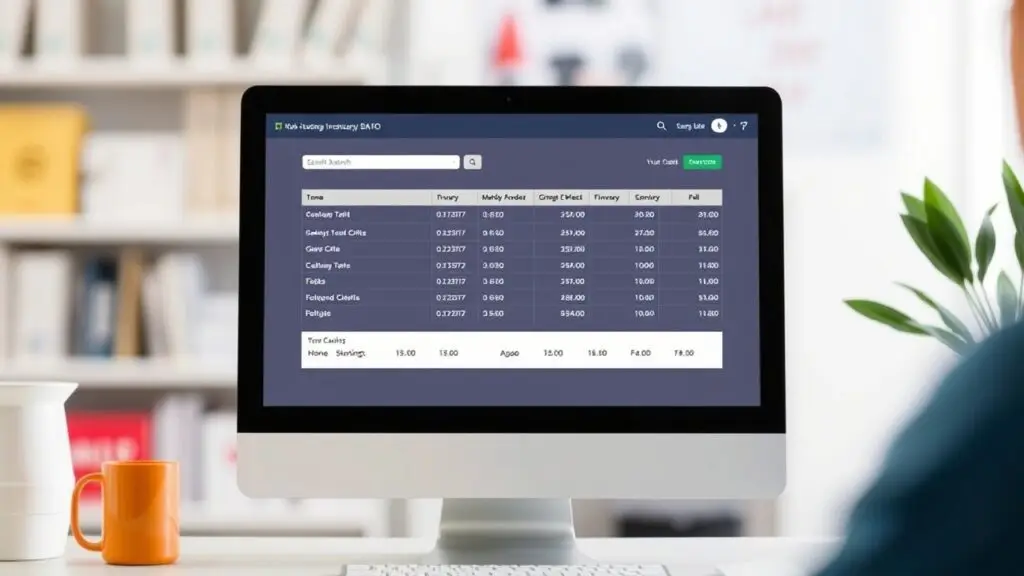
This is the foundation of any WMS. It starts with an addressed space, a digital map of your warehouse where every cell, shelf, and floor location has a unique code and properties. This allows the WMS to automate and optimize dozens of standard processes, from receiving and placement to replenishment and consolidation. The system uses this data to implement placement strategies based on various parameters like expiration dates, temperature requirements, and product compatibility rules.
Order Fulfillment Capabilities
A modern WMS goes far beyond simple picking. It actively manages the entire fulfillment cycle by generating and dispatching optimized tasks to employees. Using flexible rules, the system determines the best strategies for reserving inventory (e.g., FEFO – first expired, first out) and sequencing tasks. For complex scenarios, advanced systems like LEAD WMS can even plan the optimal combination of packing containers for multi-order picking, ensuring efficiency from the very start of the process. This active management ensures that employees are not making decisions on their own but are guided by the system at every step.
Real-Time Data Tracking
Real-time tracking is achieved through a combination of automatic identification technologies (like barcodes or RFID) and mobile radio terminals carried by each employee. When an employee receives a task, they confirm each step by scanning the barcode of the location, the product, and the transport container. This not only verifies that the task is performed correctly but also captures valuable time-stamped data on every action. This gives managers a transparent, live view of warehouse performance and allows for detailed analysis of operational efficiency.
Benefits of Implementing a Warehouse Management System
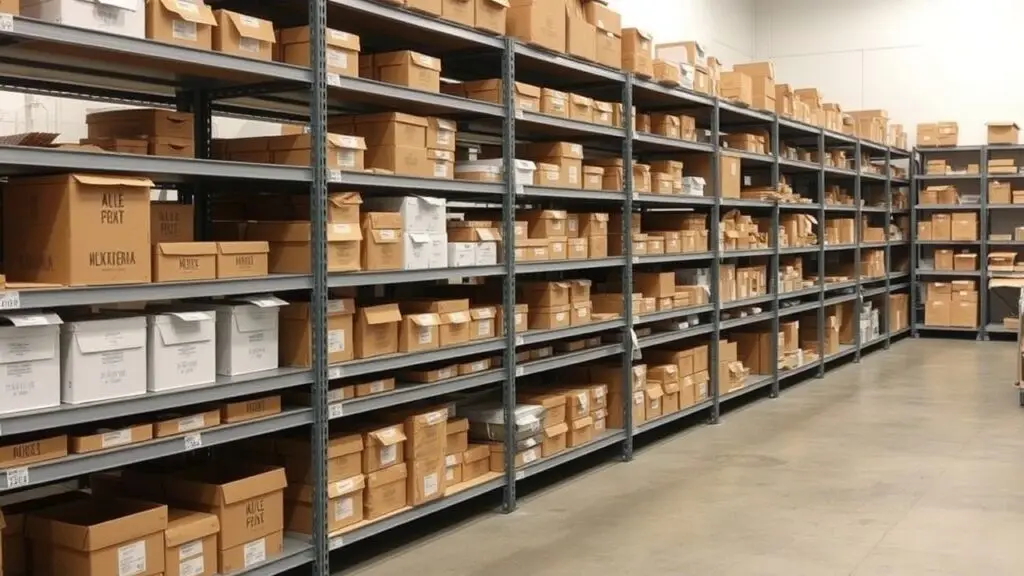
When implemented correctly, a WMS delivers significant and measurable business benefits. Unfortunately, over 80% of warehouses use less than 15% of their WMS functionality, leaving massive potential untapped.
Enhanced Efficiency in Warehouse Operations
Automation gives you the ability to manage resources and equipment far more effectively, increasing overall productivity. In one of our projects for a major retail network, implementing a WMS increased the speed of packing finished products by 43% and completely eliminated errors. For another client, we achieved an 8-fold increase in warehouse productivity. And by centralizing the management of transport equipment, some companies have reduced related costs by up to 40%.
Cost Savings through Optimization
Optimizing processes directly translates into cost savings. In a project for a food industry leader, the automation of just one warehouse led to a direct annual saving of around 5 million rubles from the reduction in payroll costs alone, with an additional 2 million rubles saved through integrating robotic receiving systems. Another powerful tool for optimization is simulation. In one case, using our digital twin solution, LEAD SIM, a client was able to identify that a less expensive equipment configuration would meet their needs, saving them 100 million rubles in capital investment.
Improved Supply Chain Management
An efficient warehouse is a cornerstone of a resilient supply chain. By minimizing errors and increasing fulfillment speed, a WMS directly improves customer satisfaction. The implementation of our LEAD WMS has enabled clients to achieve order completion accuracy of 99.98%, a critical metric for customer loyalty. For another major producer, this led to a 19% increase in clerk productivity and a 72% reduction in overtime work, ensuring consistent and reliable order fulfillment.
Future Trends in Warehouse Management
The logistics landscape is evolving rapidly, driven by new technologies and market demands.
Integration of AI and Automation
The move toward warehouse automation and robotics is accelerating, driven largely by persistent labor shortages and the need for greater efficiency. We are seeing a shift away from large, stationary systems like cranes and conveyors toward more flexible solutions like autonomous mobile robots (AMRs), which are ideal for rented warehouse spaces.
At LogNRG, we have been pioneers in this field for years. We were among the first to implement AI-based tools for warehouse optimization back in 2006 and later developed systems using augmented reality glasses and biotelemetry. More recently, we have undertaken major projects involving reverse engineering and taking control of robotic equipment left behind by foreign integrators.
The Role of Data Analytics in WMS
The future of warehouse management is data-driven. The most advanced tool for this is the digital twin—a 3D simulation model of your warehouse that allows you to test hypotheses and optimize processes before making physical changes. Using our digital twin solution, LEAD SIM, we helped a federal retail company test different layouts and workflows, which resulted in a 30% reduction in picker travel paths. This move from reactive adjustments to predictive optimization allows businesses to not just solve problems, but to plan their future growth with confidence.
FAQ
What is a WMS application?
A WMS application, or Warehouse Management System application, is software designed to support the daily operations of a warehouse. It helps manage inventory, optimize warehouse organization, and streamline warehouse processes, enabling warehouse managers to efficiently control and monitor their facilities.
What are the benefits of a warehouse management system?
The benefits of a warehouse management system include improved inventory accuracy, enhanced order fulfillment speed, reduced operational costs, and better visibility into warehouse operations. By utilizing a WMS, businesses can optimize warehouse efficiency and enhance overall supply chain management.
What types of warehouse management systems are available?
There are different types of warehouse management systems, including standalone WMS, integrated WMS, and cloud-based warehouse management systems. Each type varies in functionality and can cater to specific business needs, allowing organizations to choose the best fit for their operations.
How does a cloud-based warehouse management system work?
A cloud-based warehouse management system operates on a cloud infrastructure, allowing users to access the software application from anywhere with an internet connection. This system helps warehouse managers control daily warehouse operations efficiently and offers scalability and flexibility compared to traditional on-premises systems.
What are the core features of a warehouse management software?
The core features of warehouse management software include inventory tracking, order management, labor management, and reporting capabilities. These features enable warehouse workers to automate and streamline warehouse processes, leading to improved productivity and operational efficiency.
How can WMS help improve warehouse efficiency?
WMS applications help improve warehouse efficiency by automating inventory management processes, optimizing warehouse organization, and providing real-time data visibility. With better management functionality, warehouse managers can enhance decision-making and streamline operations within the warehouse or distribution center.
What is the function of a WMS in supply chain management?
The function of a WMS in supply chain management is to facilitate the flow of goods and information throughout the warehouse. It plays a crucial role in inventory management, order fulfillment, and logistics, enabling organizations to optimize their overall supply chain performance.
What are the main features of a cloud WMS?
The main features of a cloud WMS include real-time inventory tracking, integrated transportation management capabilities, user-friendly dashboards, and scalability. These features allow organizations to manage and control daily warehouse operations effectively while adapting to changing business needs.
What is the future of warehouse management technology?
The future of warehouse management technology is expected to see increased adoption of automation, artificial intelligence, and machine learning. These advancements will enhance inventory management capabilities, optimize warehouse activities, and improve overall efficiency in warehouse operations.